
Construction success does not depend only on good design or skilled workers. It also depends on how well the project is planned, coordinated, followed up, and controlled from the beginning to the final handover.
The Role Of Project Management In Construction Success
Project management plays a key role in keeping construction projects organized and moving in the right direction. It connects the client, design team, contractors, suppliers, site teams, and all project stages under one clear plan.
Without strong project management, even a well-designed project can face delays, confusion, material issues, cost changes, and repeated mistakes. Construction has many moving parts, and each one needs proper timing and coordination.
Good project management helps protect the quality, timeline, and budget of the project. It gives every team a clear path to follow and helps the client stay informed at each stage.
Clear Planning Before Work Starts
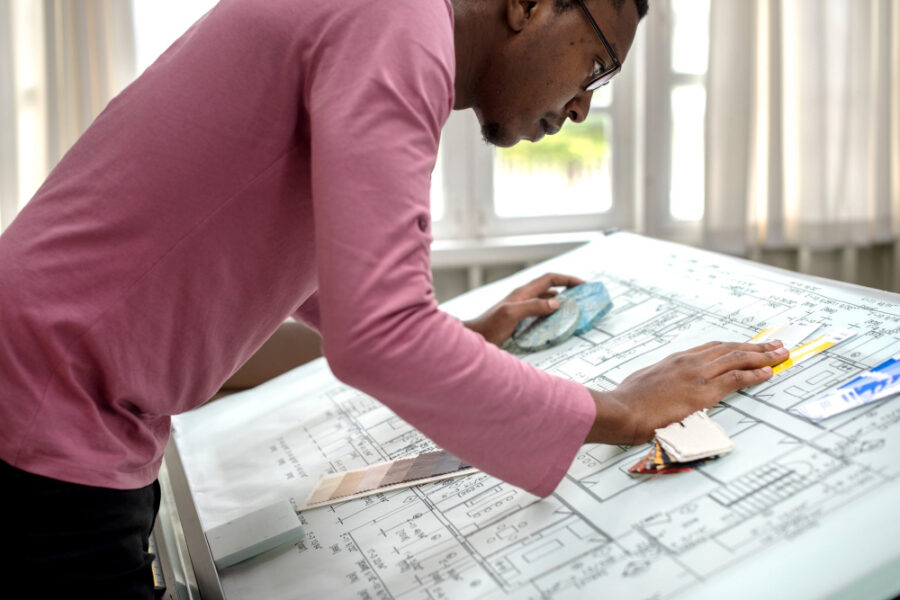
Every successful construction project begins with planning. Before the site work starts, the project manager helps define the scope, timeline, responsibilities, materials, and main execution steps.
This early planning reduces confusion later. It helps the team understand what needs to happen first, what can happen next, and what should be prepared before each stage begins.
When planning is clear, the project becomes easier to manage. Decisions are made with better information, and the team can avoid many problems before they appear on site.
Better Coordination Between Teams
Construction involves different people and different responsibilities. Architects, engineers, contractors, suppliers, workers, and clients all need to stay aligned.
Project management helps connect these groups. It makes sure that information moves clearly between the design side and the execution side. This reduces mistakes caused by poor communication.
Good coordination also helps avoid delays. When the right team knows what to do at the right time, the project can move forward with less interruption.
Controlling Time And Progress
Time is one of the most important parts of any construction project. Delays can affect costs, client plans, supplier schedules, and the overall handover date.
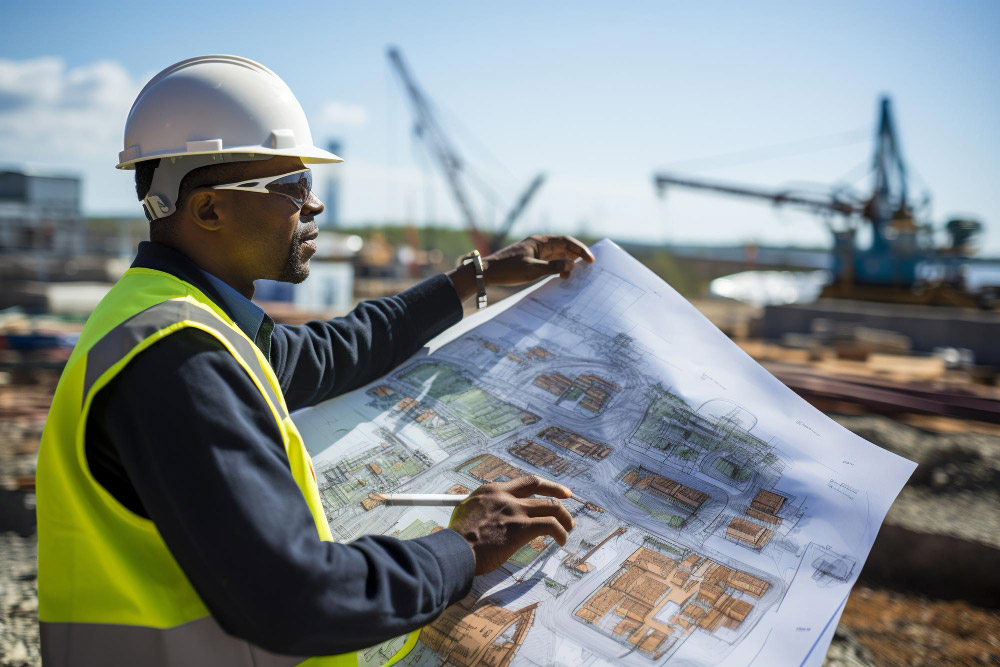
Project management helps track progress and compare the actual work with the planned timeline. If a delay appears, the team can respond faster and adjust the workflow when needed.
This does not mean every project will be perfect. But regular follow-up makes problems easier to see, easier to manage, and less likely to grow into bigger issues.
Supporting Cost Awareness
Construction costs can change when materials, labor, design details, or site conditions are not managed carefully. Project management helps keep the team aware of cost-related decisions during execution.
A project manager can help track priorities, review changes, and keep work aligned with the approved project direction. This supports better control and helps reduce unnecessary spending.
Cost awareness is not only about saving money. It is about using the budget in the right places and avoiding decisions that create waste or confusion.
Improving Quality During Execution
Quality is easier to protect when the work is checked throughout the project, not only at the end. Project management supports regular follow-up on site details, materials, execution steps, and finishing direction.
This helps detect issues earlier. When problems are found during the work, they are usually easier to fix than after the project is completed.
A managed project gives more attention to details. It helps make sure the final result follows the approved plans and meets the client’s expectations.
Reducing Stress For The Client
For many clients, construction can feel complicated. There are many decisions to make, many people to speak with, and many updates to follow.
Project management makes the process clearer. The client can receive organized updates, understand the next steps, and know where the project stands.
This creates more confidence during the project. Instead of dealing with scattered information, the client gets a more controlled and structured experience.
Why Project Management Matters At Al Mabni
At Al Mabni, project management is part of building with purpose. It helps connect design, construction, renovation, and site execution into one organized process.
Our approach focuses on planning, coordination, progress follow-up, and quality control. This helps each project move with more clarity and better direction from the first stage to the final delivery.
Construction success is not only about completing the work. It is about completing it with better control, better communication, and better results.
FAQs About Project Management In Construction Success
Why Is Project Management Important In Construction?
Project management is important because it helps organize the timeline, teams, materials, tasks, communication, and quality control during construction.
Can A Construction Project Succeed Without Project Management?
It can be completed, but the risk of delays, confusion, cost changes, and execution mistakes becomes higher without proper management.
How Does Project Management Help Control Delays?
It helps by tracking progress, organizing tasks, coordinating teams, and responding faster when problems or schedule changes appear.
Does Project Management Improve Construction Quality?
Yes. Regular follow-up and site coordination help detect issues earlier and keep the work aligned with the approved plans.